
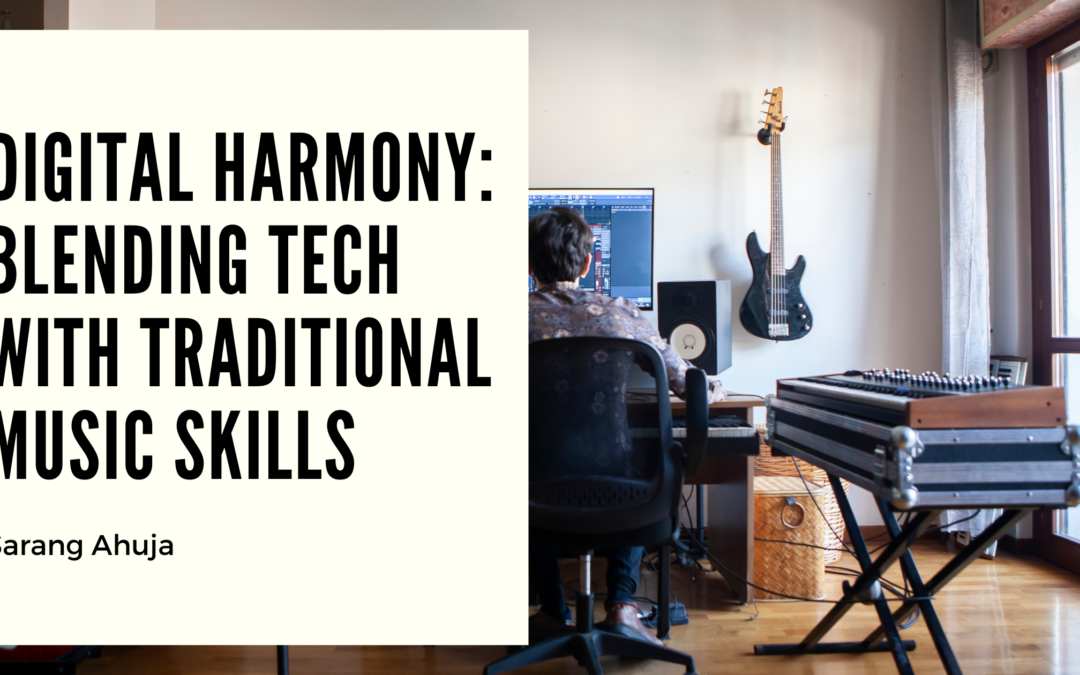
The world of music is constantly evolving, with new technologies transforming the way we create, produce, and experience sound. However, despite the rise of digital tools and virtual instruments, traditional music skills remain as vital as ever. The intersection of technology and musicianship has created a unique opportunity to blend the best of both worlds, combining the timeless art of music with cutting-edge innovations. This fusion, often referred to as “digital harmony,” is reshaping how music is made, played, and shared.
The Role of Technology in Modern Music Production
One of the most significant advancements in the music industry is the rise of digital audio workstations (DAWs). Programs like Ableton Live, Logic Pro, and Pro Tools have revolutionized music production by allowing artists to record, mix, and manipulate sounds with incredible precision. These platforms offer access to an endless library of virtual instruments, loops, and effects, enabling musicians to experiment with new sounds that were previously unattainable in a traditional studio setting.
Yet, despite the convenience of these digital tools, the foundation of music creation remains rooted in traditional skills. A producer who understands music theory, timing, and composition will be able to craft a more cohesive and emotionally impactful track, no matter how advanced the technology. In essence, technology serves as an enhancer—amplifying the creator’s ability to bring their musical ideas to life.
Incorporating Traditional Instruments in Digital Music
Another key element of digital harmony is the integration of traditional instruments into modern production. Musicians still use guitars, pianos, violins, and drums, but these instruments are now often recorded digitally or enhanced with software. For instance, a classical violinist may record their performance and manipulate the sound in a DAW to create new textures, or a guitarist might blend their analog sound with electronic effects to create unique sonic layers.
This blending of old and new creates a fusion of authenticity and innovation. Traditional instruments bring warmth, depth, and emotional connection to a track, while digital tools add precision and experimentation. Together, they open up an entirely new realm of creative possibilities.
Empowering the Modern Musician
The synergy between technology and traditional music skills also empowers musicians to take control of their own music production. With home studios becoming more accessible and affordable, artists can record, mix, and distribute their music independently. Musicians can now learn both the technical and creative aspects of production, enabling them to shape their sound without relying on outside resources.
Conclusion
Digital harmony represents the future of music—where the richness of traditional musicianship meets the power and flexibility of modern technology. By blending the two, musicians can expand their creative boundaries and reach new heights in their artistic expression. As technology continues to advance, one thing remains clear: the soul of music will always be rooted in the human touch, no matter how high-tech the tools become.