
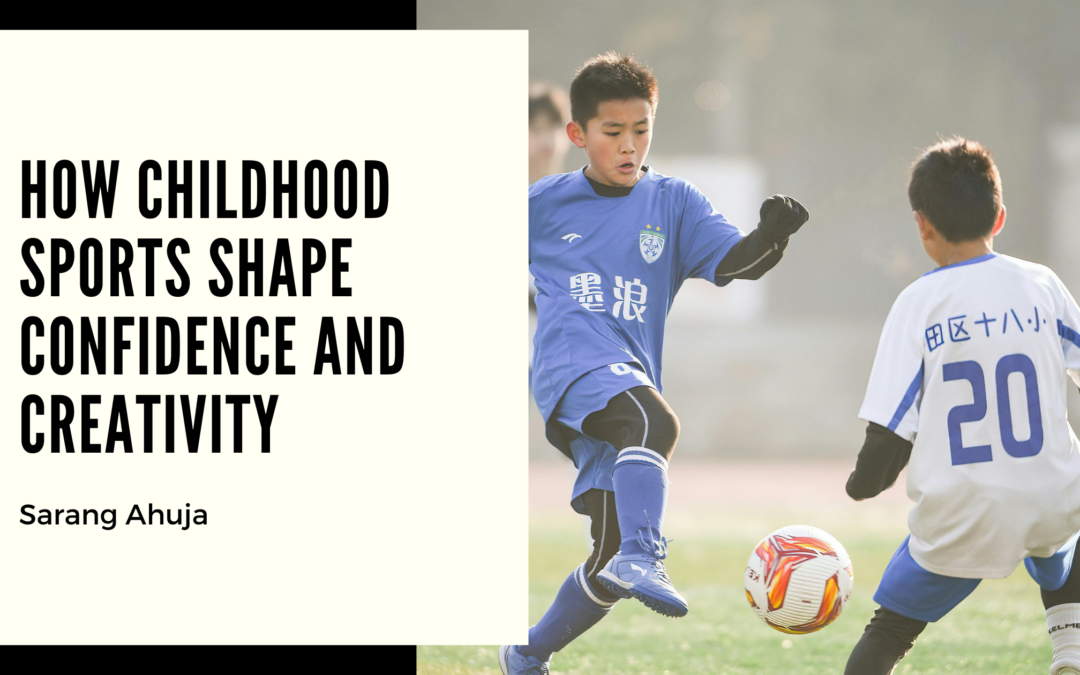
For many people, the first experience with sports begins in childhood—not with pressure or performance, but with pure, unfiltered joy. Whether it’s kicking a ball in the backyard, racing friends at recess, or joining a local team, childhood sports are less about results and more about exploration. Yet, these early experiences often leave a lasting impact that goes far beyond the game itself.
As children, sports provide a natural space to build confidence. Learning a new skill—like catching a ball or scoring a goal—brings a sense of achievement that feels exciting and empowering. These small wins teach kids to believe in their abilities, and over time, that belief carries into other areas of life, from school to social interactions.
Creativity also plays a big role in childhood sports. Unlike highly structured adult competition, kids often approach games with imagination and spontaneity. They invent new rules, try unconventional moves, and focus more on playing than perfecting. This freedom encourages problem-solving and adaptability, helping children think in flexible and creative ways.
Another important benefit is the development of social skills. Playing sports introduces children to teamwork, communication, and cooperation. They learn how to share success, handle disagreements, and support others—all while building friendships. These experiences teach valuable lessons about empathy and respect in a way that feels natural rather than forced.
Perhaps most importantly, positive experiences with sports in childhood can shape a lifelong relationship with physical activity. When kids associate movement with fun instead of pressure, they are more likely to stay active as they grow older. On the other hand, overly intense or competitive environments at a young age can sometimes take away that enjoyment.
Parents and coaches play a key role in shaping this experience. Encouraging effort over outcome, celebrating participation, and allowing room for play can help preserve the joy that makes sports so meaningful in the first place.
In the end, childhood sports are about much more than learning how to play a game. They help build confidence, spark creativity, and create lasting memories. Most importantly, they lay the foundation for a healthy, active lifestyle—one rooted not in obligation, but in genuine enjoyment.