
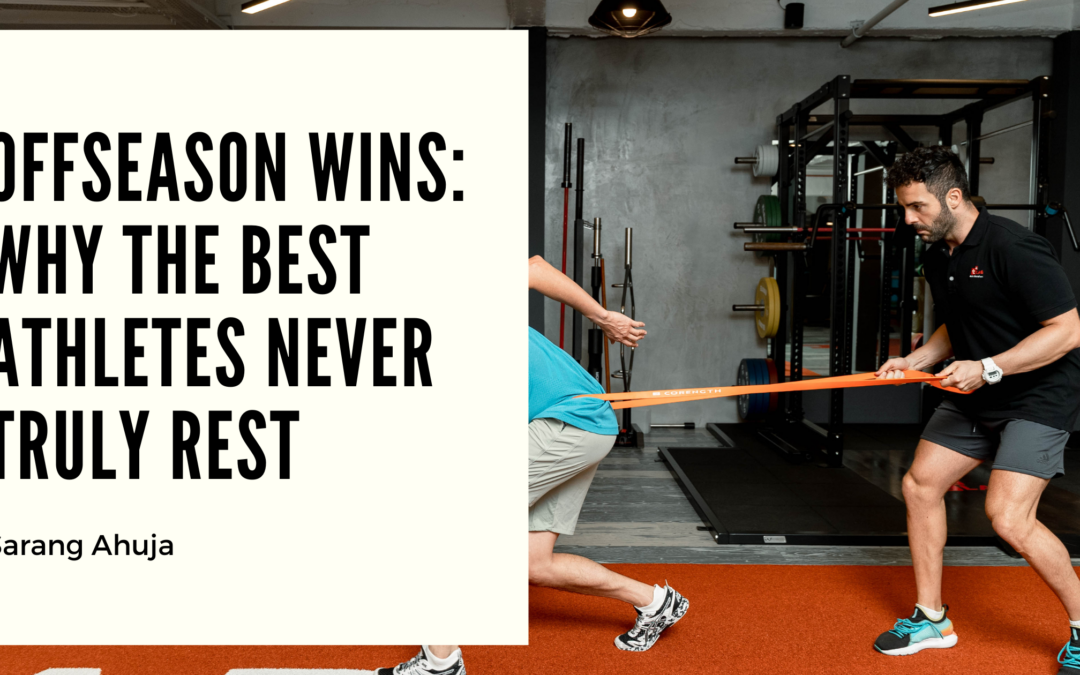
For many, the offseason is a time to relax, recharge, and step away from the rigors of competition. However, for elite athletes, this downtime isn’t about fully resting—it’s about laying the groundwork for their next big win. While others may be taking it easy, the best athletes use the offseason as a critical phase of their training and preparation. Here’s why the top performers never truly rest during the offseason.
Mental Recovery and Strategic Planning
The first essential aspect of the offseason for top athletes is mental recovery. Constant competition and intense training can lead to burnout, which is why athletes often use this time to reset mentally. This period of reflection helps them re-evaluate their goals, refine their strategies, and develop new focuses for the upcoming season. Rather than neglecting their sport, they think about what went well, what could improve, and how to approach the next season with a fresh perspective.
In this phase, athletes often consult with coaches, mentors, and sports psychologists to work on aspects of their game that may not be directly related to physical performance but are crucial to overall success—like mindset, focus, and confidence.
Targeted Training and Recovery
Physical recovery is just as important as mental recovery, but even during the offseason, athletes remain active. Instead of the high-intensity sessions they endure during the season, the offseason is focused on building strength, flexibility, and endurance through lower-impact exercises. It’s a time for athletes to work on injuries, address weaknesses, and prevent future ones. These individualized recovery and conditioning plans, including stretching, yoga, strength training, or swimming, help the body heal while preparing it for the challenges ahead.
Offseason training also allows athletes to work on specific areas of their game that may need improvement. Whether it’s perfecting their technique, enhancing mobility, or building muscle mass, athletes use this time for focused, incremental progress that will make them stronger, faster, and more resilient.
Skill Development and Learning
For athletes at the top of their game, the offseason is also a period of skill development. Whether learning new techniques, analyzing game footage, or experimenting with different strategies, this time away from competition allows athletes to fine-tune their skills in a less pressured environment. They have the opportunity to try things they might not have time for during the season, from experimenting with new gear to adding diverse skills that could make them more versatile players.
Rest, But Not Complete Rest
While the offseason doesn’t mean complete rest, it does give athletes the chance to balance intense training with recovery. This careful balance of rest, recovery, and strategic work leads to a more productive return when competition begins again. By never truly resting, elite athletes ensure they stay one step ahead of their competition—whether it’s sharpening their skills, addressing weaknesses, or staying physically and mentally in peak form.