
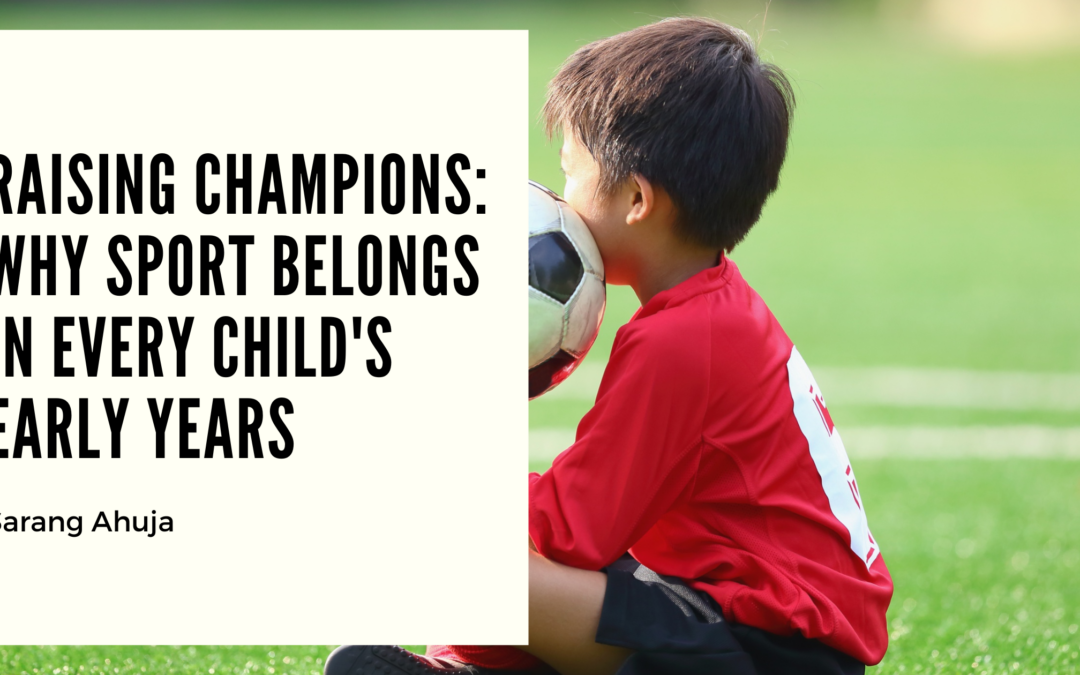
The lessons children learn through sport often extend far beyond the playing field. While physical activity supports healthy growth and development, participating in sports from an early age also helps build character, confidence, and life skills that remain valuable well into adulthood. By making sport a natural part of childhood, families, schools, and communities can foster a culture of discipline, teamwork, and resilience from the very beginning.
Creating this culture isn’t about producing elite athletes—it’s about helping children develop habits and values that support lifelong success.
Sport Builds Discipline Naturally
Discipline is not something children learn overnight. It develops through consistent routines, practice, and responsibility. Sports provide a structured environment where children understand the importance of showing up, following instructions, respecting rules, and working steadily toward improvement.
Over time, these habits often carry over into academics, personal responsibilities, and future professional life.
Learning Through Teamwork
Whether participating in team sports or individual activities, children learn how to cooperate, communicate, and respect others. They begin to understand that success often depends on supporting teammates, celebrating collective achievements, and learning from shared challenges.
These early experiences encourage empathy, accountability, and collaboration—qualities that benefit children in every stage of life.
Building Resilience Through Experience
Winning can be exciting, but losing also offers valuable lessons. Sport teaches children that setbacks are part of growth and that perseverance often matters more than immediate results.
Young athletes learn to:
- Set realistic goals.
- Practice consistently.
- Accept constructive feedback.
- Stay committed during challenges.
- Celebrate progress, not just outcomes.
These experiences help develop resilience and a growth mindset that extends far beyond competition.
Encouraging Healthy Habits for Life
Introducing sport during childhood also encourages an active lifestyle. Children who enjoy movement from an early age are often more likely to continue participating in physical activities as they grow older.
Equally important, sports provide opportunities to build friendships, improve confidence, and develop a positive relationship with health and well-being.
Creating a Culture That Values Growth
Building a culture of sport requires support from families, educators, coaches, and communities. Encouraging participation, recognizing effort, and creating positive experiences help children associate sports with enjoyment rather than pressure.
When the focus remains on learning, teamwork, and personal development, children gain the confidence to explore their potential while developing skills that will benefit them throughout life.
More Than a Game
Sport is one of the most effective classrooms for life. It teaches discipline without lectures, resilience without shortcuts, and teamwork through shared experiences. These lessons become part of a child’s character, influencing how they approach challenges, relationships, and future opportunities.
By making sport an integral part of early childhood, we invest in more than physical fitness—we help raise confident, responsible, and resilient individuals who understand the value of commitment, respect, and continuous growth. In doing so, we create a culture where success is measured not only by victories, but by the strength of character developed along the way.