
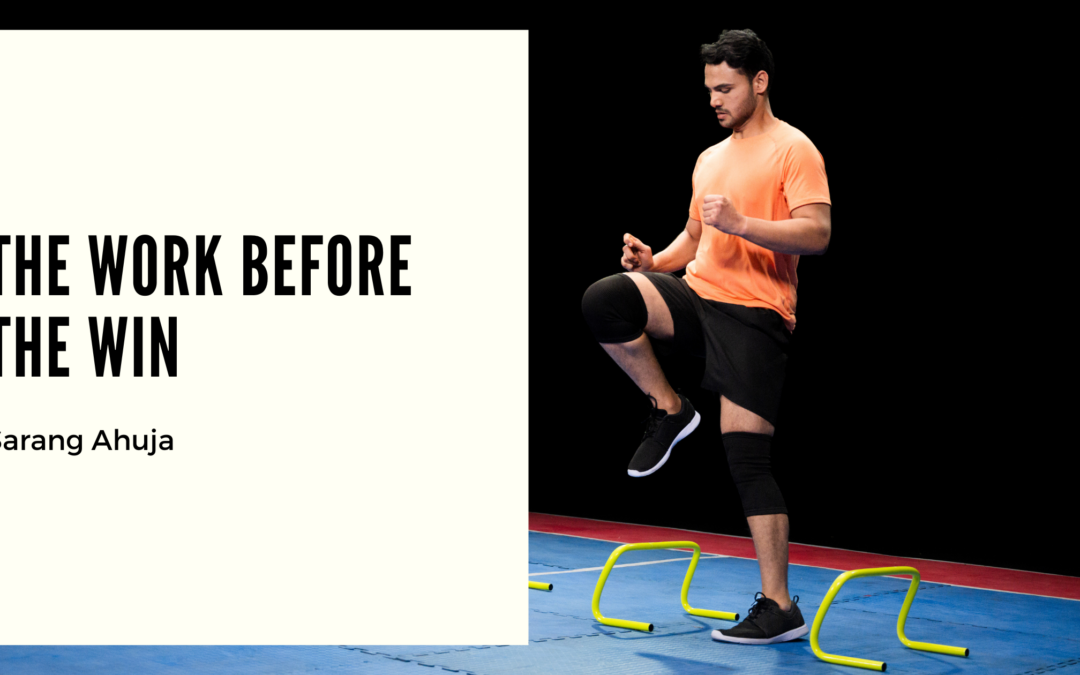
A strong performance rarely begins when the game starts. Long before stepping onto the field, athletes spend time preparing, practicing, planning, and building habits that help them perform when it matters. In many ways, what happens off the field can be just as important as what happens during the game.
Preparation Builds Confidence
Knowing that you have put in the work can change how you approach competition. Regular practice, thoughtful preparation, and consistency create a sense of readiness. Instead of relying only on natural ability, athletes can step onto the field knowing they have prepared themselves for the challenge.
That confidence does not come from expecting everything to go perfectly. It comes from knowing you have done what you can to be ready.
Small Habits Add Up
Performance is often shaped by simple habits repeated over time. Arriving prepared, practicing regularly, taking time to understand the game, getting enough rest, and staying organized may not feel significant on their own. Together, however, they can create a strong foundation.
The same principle applies beyond sports. Whether preparing for an exam, presentation, competition, or an important project, consistent effort before the big moment can make a difference when it is time to perform.
Learning to Prepare With Purpose
Preparation is not simply about doing more. It is about understanding what needs attention and using time wisely. Athletes learn to identify areas where they can improve, work on specific skills, and adjust their approach based on experience.
This encourages a valuable mindset: improvement is something that can be worked toward. Every practice session becomes another opportunity to learn.
Winning Beyond the Scoreboard
A win is naturally rewarding, but success in sports can take many forms. Showing up consistently, improving a skill, supporting teammates, staying focused after a mistake, and giving your best effort are all meaningful achievements.
The habits developed away from the field can also become part of a person’s character. Preparation can encourage discipline, patience, responsibility, and persistence—qualities that remain useful long after the final whistle.
Ultimately, the game may be where performance is seen, but preparation is where much of it is built. The hours spent practicing, learning, and developing good habits may not always be visible to others, yet they can make the difference when the moment to perform finally arrives.
Sometimes, winning on the field starts with the work no one sees.